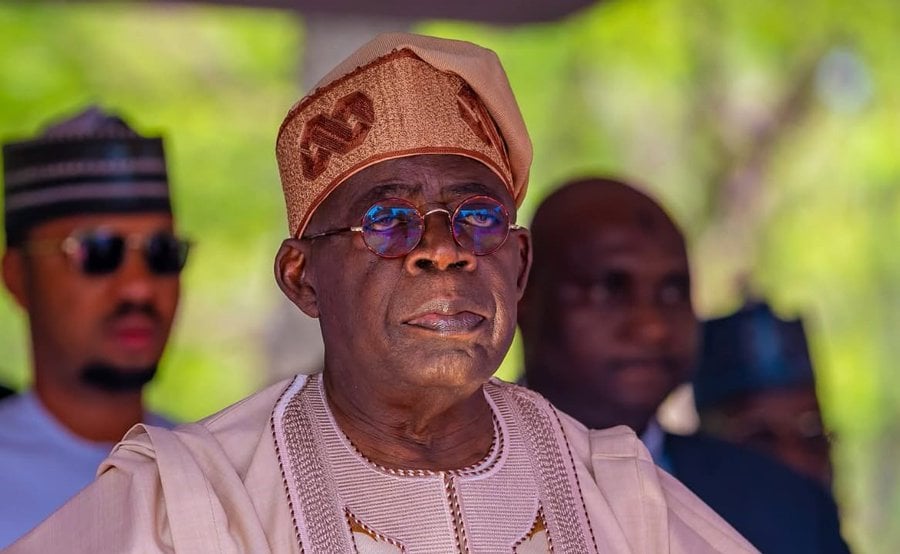
Tinubu's UK Visit: Forging Stronger Bonds in Trade, Security & Climate
The announcement of Nigeria's President Bola Ahmed Tinubu's state visit to the United Kingdom, hosted by King Charles III, marks a truly momentous occasion in the diplomatic annals of both nations. This isn't just another official trip; it's the first Nigerian state visit to the UK in 37 years, a significant gap since General Ibrahim Babangida's visit in 1989. This high-profile engagement signals a profound recommitment to strengthening multifaceted ties, with a clear focus on boosting trade partnerships, enhancing security collaboration, and aligning climate policy. As the world navigates a complex, multipolar landscape, this
Nigeria-UK State Visit: A New Era After 37 Years is being closely watched as a bellwether for evolving international relations.
A Renewed Chapter in Diplomatic Engagement
The long-awaited **Nigeria UK state visit** is a potent symbol of renewed diplomatic vigour. While President Tinubu has previously met King Charles III, notably at Buckingham Palace in September 2024 and during the COP28 summit in Dubai, a formal state visit elevates these interactions to an entirely different level. State visits are a masterclass in soft-power diplomacy, meticulously designed to leverage royal pomp and ceremonial pageantry to underscore the strategic importance of the visiting nation. The choice of Windsor Castle for the visit, from 18 to 19 March, further emphasizes the gravity and esteem accorded to President Tinubu and First Lady Oluremi Tinubu.
Beyond the grandeur, the timing of this visit is critical. It arrives at a juncture where both the UK, post-Brexit, and Nigeria, a burgeoning African economic powerhouse, are recalibrating their global engagements. The shared historical bedrock, tracing back to colonial rule, has evolved into a dynamic contemporary relationship underpinned by strong links in trade, migration, and education. Thousands of Nigerians reside and study in Britain, forming a vibrant diaspora that acts as a living bridge between the two countries, fostering cultural exchange and economic activity.
Deepening Economic Ties: Trade, Investment, and Mutual Prosperity
Economic cooperation stands at the forefront of the agenda for this pivotal **Nigeria UK state visit**. The United Kingdom has long been one of Nigeria's major economic partners, with trade between the two nations exceeding £8 billion in the year leading up to October 2024. This impressive figure solidifies Nigeria's position as one of the UK's most crucial partners on the African continent. This economic partnership is not static; in 2024, both countries signed a new trade and investment partnership specifically designed to unlock and expand opportunities for businesses.
For Nigeria, the UK represents a vital source of foreign direct investment, technological transfer, and market access for its diverse products. Conversely, the UK sees Nigeria as a gateway to the vast African market, a significant consumer base, and a partner in various emerging sectors. Discussions during the state visit are expected to delve deeper into strengthening bilateral agreements in several key economic areas:
*
Renewable Energy: Nigeria, with its abundant solar and wind resources, is actively pursuing an energy transition. UK expertise in renewable energy technologies, project financing, and policy frameworks can be instrumental in accelerating Nigeria's shift towards sustainable energy sources.
*
Infrastructure Development: From transport networks to digital infrastructure, Nigeria has immense infrastructure needs. British companies possess world-class capabilities in engineering, construction, and project management that can contribute significantly to Nigeria's growth agenda.
*
Investment Promotion: Identifying and streamlining pathways for increased UK investment into Nigeria, particularly in sectors like agriculture, manufacturing, technology, and creative industries. This could involve exploring incentives, de-risking mechanisms, and joint ventures.
*
Education and Skills: Continuing and expanding collaboration in education, potentially through scholarships, university partnerships, and vocational training initiatives, directly supporting Nigeria's human capital development.
Practical Insight: Nigerian businesses seeking to engage with the UK market should focus on understanding regulatory standards and consumer preferences. For UK investors, understanding Nigeria's local content requirements and engaging with local partners can be crucial for sustainable success. Both nations could explore establishing joint innovation hubs to foster entrepreneurial ventures.
Forging Alliances in Security and Climate Action
Beyond economics, the **Nigeria UK state visit** will underscore the shared commitment to addressing global challenges, particularly in security and climate change. Nigeria, as a regional hegemon in West Africa, plays a critical role in maintaining peace and stability. The UK, with its global security interests, finds a natural partner in Nigeria for tackling various threats.
*
Security Collaboration: This could encompass intelligence sharing, capacity building for security forces, joint training exercises, and strategic cooperation in combating terrorism, particularly in the Sahel region and against groups like Boko Haram. Maritime security in the Gulf of Guinea, a vital shipping lane, is another area ripe for enhanced collaboration to combat piracy and illegal fishing.
*
Climate Policy: Both nations recognise the urgency of climate action. President Tinubu's previous engagement with King Charles at COP28 highlights a mutual understanding of the severity of climate change and the need for collaborative solutions. Discussions will likely focus on:
*
Sustainable Development: Supporting Nigeria's adaptation strategies against climate impacts such as desertification and flooding.
*
Green Finance: Mobilising investment for green projects in Nigeria, including carbon capture technologies and sustainable agriculture.
*
Advocacy: Jointly advocating for stronger global climate commitments and equitable climate finance for developing nations.
King Charles III's longstanding commitment to environmental causes further cements this aspect of the relationship, lending royal weight to the climate agenda. This collaboration isn't merely about altruism; climate instability and insecurity in one region can have ripple effects globally, impacting migration, trade routes, and resource availability.
Beyond the Pomp: Addressing Shared Histories and Future Opportunities
The pageantry surrounding a **Nigeria UK state visit** is undeniably a powerful tool of diplomacy. Yet, beneath the ceremonial banquets and carriage processions, there lies a deeper conversation – one that acknowledges the complex tapestry of shared histories, including the legacy of colonial rule, while firmly setting sights on future opportunities. Diplomatic observers note that while bilateral agreements in areas like renewable energy and investment are paramount, the visit also occurs at a time when discussions about colonial history and reparations are gaining renewed traction. This provides a unique opportunity for dialogue, understanding, and charting a respectful path forward.
King Charles III himself has strong personal ties to Nigeria, a significant Commonwealth nation. He has visited the country four times as the Prince of Wales, expressing a genuine appreciation for Nigerian culture, including its Pidgin English and vibrant Afrobeats music. In 2023, his philanthropic initiative, The King's Trust International (formerly the Prince's Trust), officially launched in Nigeria, targeting the critical issue of youth unemployment. Such personal connections and long-term commitments add an invaluable human dimension to the diplomatic relationship.
This visit epitomizes the UK's strategy to strengthen bonds with key global partners in an increasingly multipolar world, especially in Africa. For Nigeria, it's a chance to project its leadership on the global stage, attract vital investment, and forge robust partnerships necessary for its economic and security ambitions. It’s an opportunity to reshape perceptions and build a future-oriented relationship grounded in mutual respect and shared interests. For further context on this evolving relationship, consider reading
King Charles Welcomes Nigeria: Diplomacy Beyond Colonial Past.
Conclusion
The **Nigeria UK state visit** of President Bola Ahmed Tinubu to King Charles III is far more than a ceremonial exchange. It represents a strategic recommitment to a relationship that boasts deep historical roots and critical contemporary relevance. By focusing on enhanced trade, robust security cooperation, and ambitious climate action, both nations are poised to unlock significant mutual benefits. As the world watches, this visit is set to lay a powerful foundation for a strengthened partnership, signaling a vibrant new era of collaboration and mutual prosperity for Nigeria and the United Kingdom.