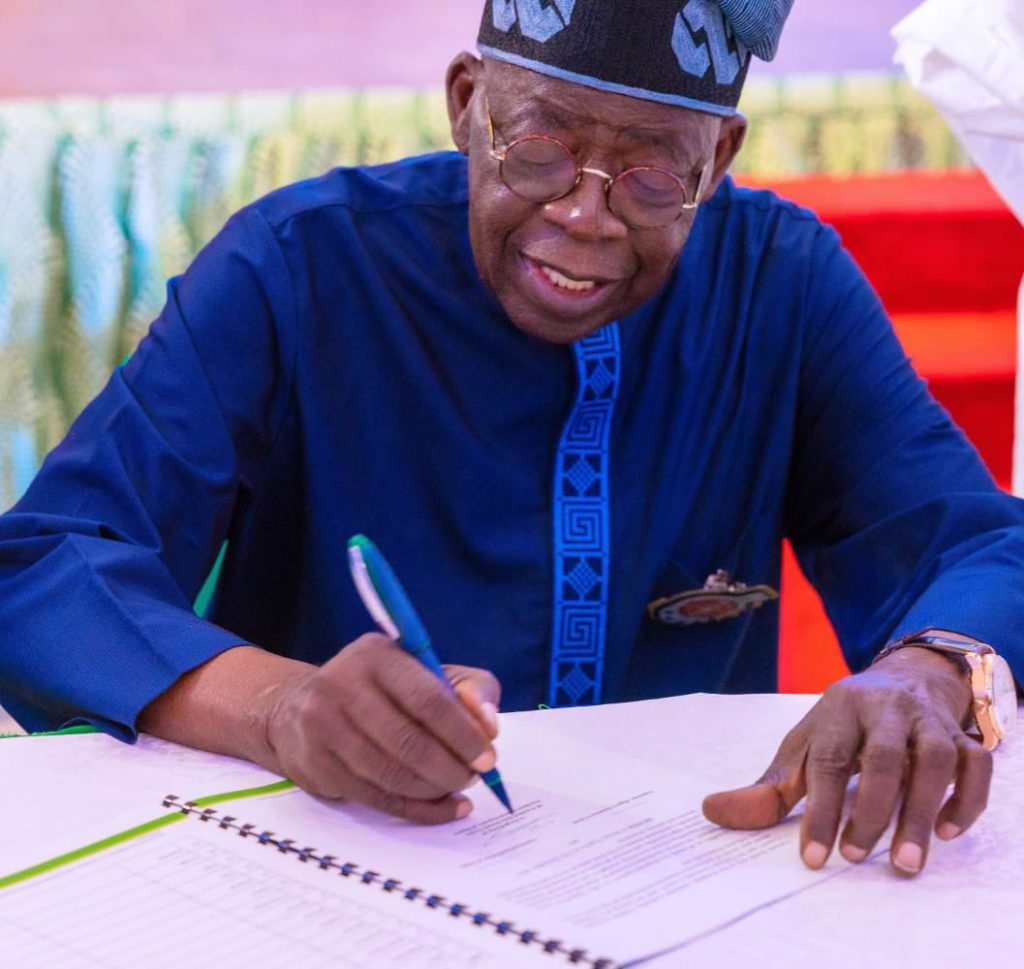
King Charles Welcomes Nigeria: Forging Diplomacy Beyond the Colonial Past
The global stage is set for a landmark diplomatic event as King Charles III prepares to host Nigeria's President, Bola Ahmed Tinubu, and First Lady Oluremi Tinubu, for a state visit to the United Kingdom. Scheduled for March 18-19, this eagerly anticipated Nigeria-UK state visit marks a pivotal moment, being the first such engagement between the two nations in 37 years. Beyond the traditional pomp and ceremony, this visit signals a determined effort to redefine and strengthen relations, moving beyond the echoes of a shared colonial history to forge a future built on mutual prosperity, collaboration, and respect.
The last time a Nigerian leader was accorded the full honour of a UK state visit was in 1989, when military ruler Gen Ibrahim Babangida met Queen Elizabeth II. The significant gap underscores the evolving nature of international relations and the strategic importance both countries now place on this renewed high-level dialogue. In a world characterized by geopolitical shifts, climate challenges, and economic uncertainties, the need for robust partnerships has never been more critical. This state visit is not merely a ceremonial exchange but a strategic platform to deepen ties across various crucial sectors, symbolizing a fresh chapter in a relationship that has long been intertwined by history, trade, and culture.
Beyond Pomp and Pageantry: The Substance of Bilateral Ties
While state visits are renowned for their majestic pageantry – carriage processions, elaborate banquets, and royal receptions – their true value lies in their capacity for "soft-power diplomacy." These occasions provide an unparalleled platform for high-level discussions that often lead to tangible agreements and collaborations. For the forthcoming Nigeria-UK state visit, the agenda is expected to be comprehensive, focusing on areas vital to both nations' growth and stability:
- Trade and Economic Cooperation: The UK remains one of Nigeria’s major economic partners, with bilateral trade exceeding £8 billion in the year leading up to October 2024. Nigeria, Africa's largest economy, offers vast opportunities for British businesses, while the UK represents a crucial market and source of investment for Nigeria. The 2024 signing of a new trade and investment partnership highlights the intent to expand these opportunities, particularly in sectors like renewable energy, infrastructure development, and digital technology.
- Climate Policy and Renewable Energy: Both nations share a commitment to addressing climate change. The visit is expected to bolster collaboration on sustainable development goals, with a focus on green investments, renewable energy projects, and environmental conservation. This is particularly pertinent as Nigeria seeks to diversify its energy sources and mitigate the impacts of climate change, while the UK positions itself as a leader in green technology and finance.
- Security Collaboration: Regional security is a shared concern. Discussions will likely cover enhanced intelligence sharing, capacity building for security forces, and joint efforts to combat transnational crime and terrorism, particularly in West Africa. Such cooperation is vital for stability, which in turn fosters economic growth and human development.
- Investment and Infrastructure: The UK has considerable expertise and investment potential in infrastructure development. Partnerships in this area can provide critical support for Nigeria's ambitious plans for transport, energy, and urban development, creating jobs and stimulating local economies.
This pragmatic focus underscores a forward-looking approach, leveraging the diplomatic momentum of the visit to secure concrete benefits for citizens in both countries. For a deeper dive into the specific economic and security discussions, read our related article: Tinubu's UK Visit: Boosting Trade, Security & Climate Ties.
Navigating History: A New Chapter in Nigeria-UK Relations
The historical relationship between Nigeria and the UK is profound and complex, rooted in colonial rule, yet flourishing into strong contemporary links through trade, migration, and education. Thousands of Nigerians live, work, and study in Britain, contributing significantly to both societies. However, as preparations for the Nigeria-UK state visit continue, conversations about colonial history, historical injustices, and reparations are inevitably resurfacing.
This visit presents a delicate yet crucial opportunity to acknowledge the past while steadfastly focusing on future cooperation. True diplomacy in the 21st century requires an ability to hold both historical truths and contemporary aspirations in balance. By engaging openly and respectfully, leaders can foster an environment where mutual understanding can grow, rather than allowing historical grievances to overshadow the potential for a truly equitable partnership. This renewed engagement is particularly significant in a post-Brexit and increasingly multipolar world, where the UK is redefining its global alliances and seeking stronger ties with Commonwealth nations like Nigeria.
For Nigeria, asserting its sovereignty and securing beneficial partnerships without being defined solely by its colonial past is paramount. For the UK, demonstrating a commitment to genuine partnership, respecting diverse national interests, and contributing to development in Africa are key to its global standing. The way this state visit addresses these undercurrents will be a testament to the maturity of their diplomatic relationship.
King Charles III: A Personal Connection to Nigeria
King Charles III's personal affinity for Nigeria adds a unique dimension to this state visit. As Prince of Wales, he visited Nigeria four times (1990, 1999, 2006, and 2018), with Queen Camilla joining him on his last trip. His reported fondness for Nigerian Pidgin English and Afrobeats music speaks to a genuine cultural appreciation that extends beyond formal diplomatic protocol. These personal connections are invaluable in fostering goodwill and strengthening bilateral ties at a deeper, more human level.
Furthermore, the King's commitment to youth empowerment is evident through the launch of The King's Trust International (formerly The Prince's Trust) in Nigeria in 2023. This initiative focuses on tackling youth unemployment, a critical challenge for Nigeria, by providing skills training and entrepreneurial support. Such grassroots engagement, championed by the monarch himself, can create lasting positive impacts and demonstrate a long-term commitment to Nigeria's development.
This personal touch from King Charles III is a powerful asset in diplomatic relations. It helps bridge cultural divides, builds trust, and lays a foundation for more effective communication and collaboration between the two nations' leaders and their peoples.
The Road Ahead: Building a Robust Partnership
President Tinubu has already met King Charles III on two previous occasions since becoming president – first at Buckingham Palace in September 2024 and later on the sidelines of the COP28 summit in Dubai. These prior engagements set a positive tone for the forthcoming state visit, allowing both leaders to establish a rapport before this more formal and extensive interaction.
The Nigeria-UK state visit represents an unparalleled opportunity for both nations to articulate their shared vision for a future defined by mutual respect, economic growth, and collaborative problem-solving. It is a moment to not only celebrate enduring connections but also to strategically recalibrate the relationship for the challenges and opportunities of the 21st century. The success of this visit will undoubtedly pave the way for more frequent and substantive engagements, marking a new, more dynamic era in Nigeria-UK relations.
In conclusion, King Charles III's welcome to President Tinubu is far more than a ceremonial gesture. It is a calculated and hopeful step towards strengthening a vital partnership. By addressing critical issues from trade to climate, acknowledging historical contexts, and leveraging personal connections, this state visit aims to construct a robust, forward-looking relationship that truly moves diplomacy beyond the colonial past, setting a compelling precedent for international cooperation.