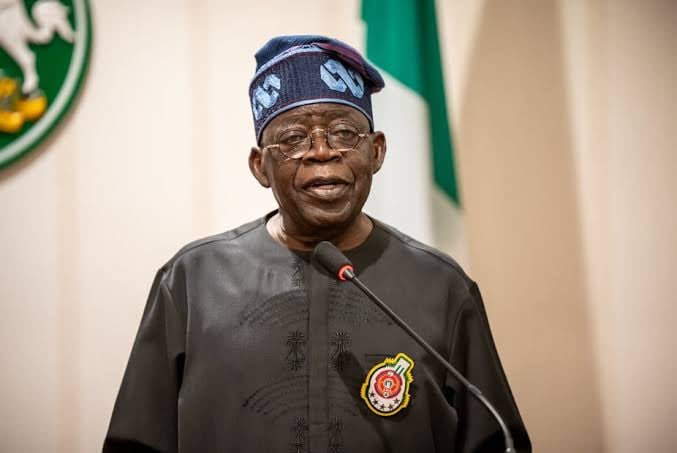
A significant diplomatic milestone is on the horizon as the United Kingdom prepares to host Nigerian President Bola Ahmed Tinubu for a state visit. This momentous occasion, hosted by King Charles III and Queen Camilla, marks Nigeria's first state visit to the UK in 37 years, signaling a profound renewal of diplomatic and economic ties between the two nations. Set to take place from 18 to 19 March at Windsor Castle, this visit is far more than mere ceremonial pomp; it represents a strategic pivot towards strengthening bilateral agreements in a rapidly evolving global landscape.
The upcoming Nigeria-UK State Visit is poised to delve into critical areas, including trade partnerships, economic cooperation, climate policy, and crucial security collaboration. As Nigeria, Africa's most populous nation and largest economy, seeks to navigate its own development agenda, and the UK aims to solidify its partnerships post-Brexit, this engagement holds immense potential for mutual benefit. The world will be watching closely as these two nations, bound by deep historical roots and robust contemporary connections, embark on a new chapter of their relationship.
A Historic Return: The Significance of the 37-Year Gap
The last time a Nigerian head of state undertook a formal state visit to the UK was in 1989, when military ruler General Ibrahim Babangida met Queen Elizabeth II. The gap of nearly four decades underscores the exceptional nature of President Tinubu's visit. While President Tinubu and First Lady Oluremi Tinubu have had previous informal meetings with King Charles III – including at Buckingham Palace in September 2024 and on the sidelines of the COP28 summit – a state visit elevates these interactions to an entirely different level.
State visits are often described as a form of "soft power" diplomacy. They leverage the grandeur and tradition of royal hospitality to convey the importance with which the host nation views its guests. For the UK, hosting President Tinubu with such ceremonial pageantry sends a clear message about Nigeria's strategic significance as an international partner. From carriage processions to state banquets, every detail is meticulously planned to demonstrate mutual respect and the potential for a deeper relationship. This symbolic act serves as a powerful foundation for the substantive political and economic discussions that will invariably follow, marking a true recommitment in Nigeria-UK State Visit diplomacy.
Forging Future Partnerships: Trade, Investment, and Economic Growth
At the heart of the Nigeria-UK State Visit agenda lies a strong focus on bolstering economic ties. The UK remains one of Nigeria's major economic partners, with trade between the two nations exceeding £8 billion in the year leading up to October 2024. This figure alone highlights Nigeria's position as one of the UK's most important partners on the African continent. Further solidifying this bond, the two countries signed a new trade and investment partnership in 2024, designed to unlock expanded opportunities for businesses across various sectors.
Key Areas for Economic Collaboration:
- Renewable Energy: With Nigeria's vast potential for solar, wind, and hydropower, and the UK's expertise in green technology, collaborations in renewable energy infrastructure and investment are ripe for growth. This could involve joint ventures, technology transfer, and financing for sustainable projects.
- Infrastructure Development: Nigeria's rapidly growing population and developing economy require significant infrastructure upgrades. UK investment and expertise in areas like transportation, smart cities, and digital infrastructure could play a crucial role.
- Financial Services: London's position as a global financial hub and Nigeria's burgeoning fintech sector present opportunities for partnerships, capacity building, and investment in financial technology and services.
- Agri-business and Manufacturing: Enhancing trade in agricultural products and supporting local manufacturing through investment and technical assistance can foster job creation and economic diversification in Nigeria.
Practical Tip for Businesses: For UK businesses eyeing the Nigerian market, or Nigerian enterprises seeking international partnerships, this state visit offers a clear signal of government support. Businesses should actively monitor official announcements, trade missions, and partnership forums that are likely to emerge post-visit. Leveraging organizations like the UK-Nigeria Business Council or the Department for Business and Trade can provide valuable insights and networking opportunities. This renewed focus on economic growth is a testament to the potential for both nations to thrive. For more detailed insights into the potential economic outcomes, consider reading Tinubu's UK Visit: Boosting Trade, Security & Climate Ties.
Addressing Global Challenges: Security, Climate, and Beyond
Beyond economics, the Nigeria-UK State Visit will also tackle shared global challenges, particularly in the realms of security and climate change. Nigeria faces significant regional security issues, including insurgency and banditry, while the UK maintains a vested interest in global stability and counter-terrorism efforts. Enhanced intelligence sharing, joint training exercises, and strategic partnerships to address these threats will likely form a key part of the discussions. This collaboration is vital for regional stability in West Africa and for broader international security.
Climate policy is another critical component. Both nations are committed to tackling climate change, and the visit offers a platform to solidify cooperation on renewable energy initiatives, climate resilience strategies, and environmental protection. This could include partnerships in sustainable agriculture, climate adaptation projects, and green technology deployment.
Moreover, the visit is occurring in a post-Brexit and increasingly multipolar world, where the UK is actively re-forging its global alliances. Nigeria, as a Commonwealth country and a regional powerhouse, plays a crucial role in the Commonwealth's collective voice and influence. King Charles III himself has a longstanding affection for Nigeria, evidenced by his love for Pidgin English and Nigerian Afrobeats music. He has visited the country four times as the Prince of Wales, and his King's Trust International (formerly the Prince's Trust) officially launched in Nigeria in 2023, focusing on youth unemployment initiatives. These personal connections further underscore the depth and potential longevity of the revitalized relationship.
Navigating the Past, Embracing the Future: Historical Context and Evolving Relations
The relationship between Nigeria and the UK is undeniably shaped by a complex history, including colonial rule. Diplomatic observers acknowledge that while the state visit focuses on future partnerships, it also coincides with ongoing conversations about colonial history and the sensitive topic of reparations. This visit presents an opportunity for mature dialogue, where both nations can acknowledge their past while firmly looking towards a future of mutual respect and partnership.
The strength of contemporary links extends beyond economics to significant ties in migration, education, and culture. Thousands of Nigerians live, work, and study in Britain, forming a vibrant diaspora that contributes significantly to both societies. This human connection fosters a unique bond, facilitating cultural exchange and understanding. The state visit, therefore, is not just a high-level government interaction but a reflection of these deep societal interconnections. It symbolizes an evolving relationship that moves beyond the shadows of the past to embrace a dynamic and forward-looking future. To delve deeper into how King Charles III's approach fosters a new era of diplomacy, explore King Charles Welcomes Nigeria: Diplomacy Beyond Colonial Past.
Conclusion
The upcoming Nigeria-UK State Visit after 37 years represents a pivotal moment in international diplomacy. It is a powerful affirmation of Nigeria's strategic importance and the UK's commitment to strengthening its global partnerships. From bolstering trade and investment to collaborating on critical issues like security and climate change, the visit lays the groundwork for a robust and mutually beneficial future. As President Tinubu and King Charles III engage in this historic encounter, they are not merely rekindling an old friendship, but charting a new, dynamic course for cooperation that promises to yield significant dividends for both nations in the years to come.